Infectious vs. Noninfectious Diseases: Key Differences Explained

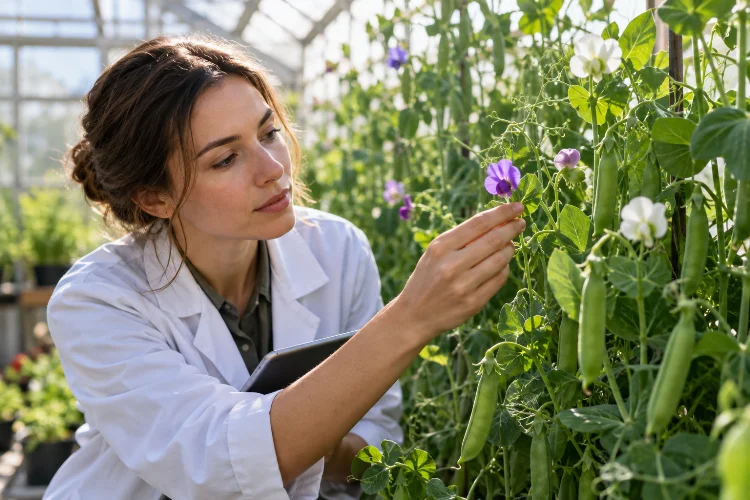
A person develops a cough after catching influenza, while another experiences breathing problems caused by asthma. Both people are unwell, but the biological reasons behind their conditions are very different. The first illness is infectious because it is caused by a virus that can spread between people. Asthma, on the other hand, is noninfectious. It … Read more

What Causes Disease in the Human Body? A Beginner’s Guide

The human body is surprisingly good at keeping itself running. Cells repair damage, the immune system fights harmful organisms, and organs constantly adjust their activity to maintain internal balance. Even so, these protective systems are not perfect. So, what causes disease in the human body? There is no single answer. Illness can begin with an … Read more

The Eleven Major Organ Systems of the Human Body Explained

Your body is constantly busy, even when you are sitting still. Your heart pumps blood, your lungs exchange gases, your kidneys filter waste, and your nervous system processes information-all at the same time. These activities are possible because the human body is organized into interconnected organ systems. An organ system is a group of organs … Read more

How the Human Body Is Organized: From Cells to Organ Systems

The human body can walk, think, digest food, fight infections, repair injuries, and perform thousands of other tasks. Yet none of these abilities depends on one structure working alone. Your body functions through an incredibly organized network of smaller parts. So, how is the human body organized? Scientists usually explain its structure through six main … Read more

What Is DNA and How Does It Store Information? A Simple Guide

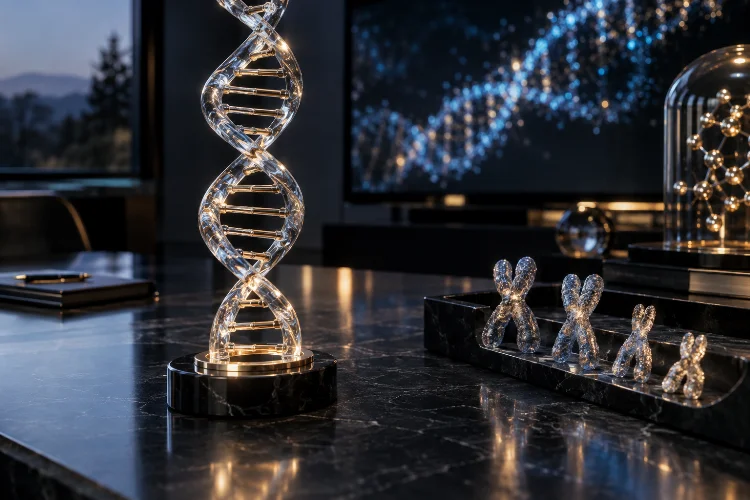
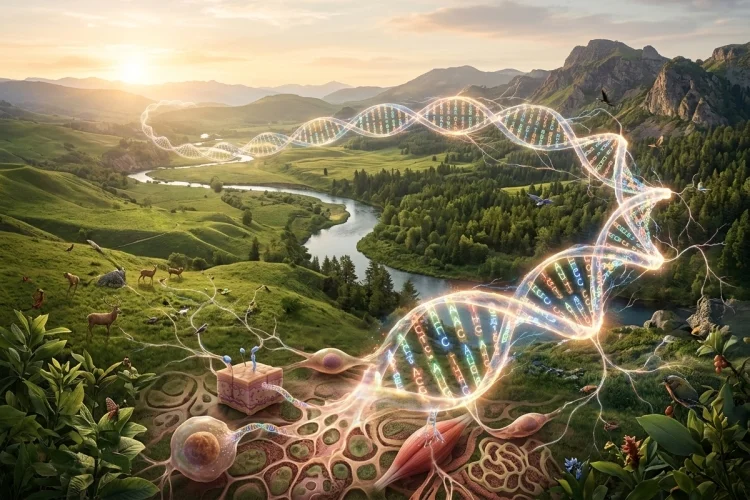
Every cell needs instructions. A skin cell must know how to protect the body, a muscle cell must produce force, and an immune cell must recognize possible threats. Those instructions are stored in a molecule called DNA. So, what is DNA and how does it store information? DNA, or deoxyribonucleic acid, is the molecule that … Read more

What Is Genetics and Why Is It Important? A Beginner’s Guide

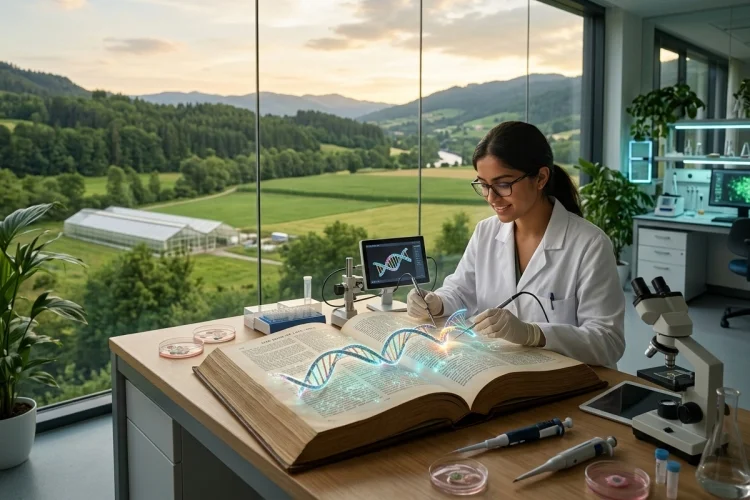
Have you ever wondered why siblings can look similar but still have different eye colors, heights, personalities, or health risks? The answer often begins with genetics, the branch of biology that explores how biological information is passed from one generation to the next. So, what is genetics and why is it important? Genetics is the … Read more

Cell Theory Explained for Beginners: The Three Core Principles

Imagine trying to understand a skyscraper without knowing that it is made from smaller materials such as steel, glass, and concrete. Biology once faced a similar problem. Scientists could observe plants, animals, and people, but they did not initially know the basic structures from which every organism was built. That understanding changed with the development … Read more

What Is a Cell? The Basic Unit of Life Explained

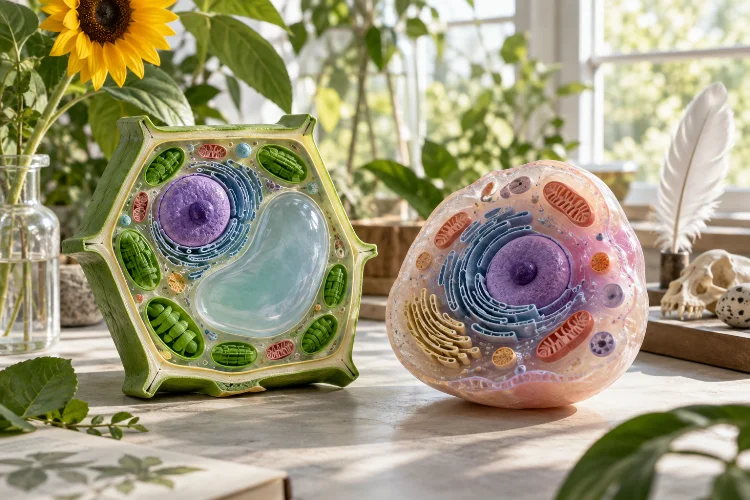
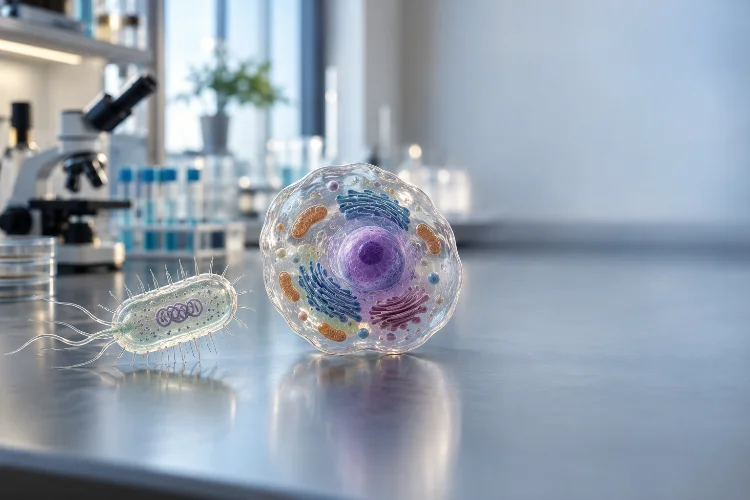
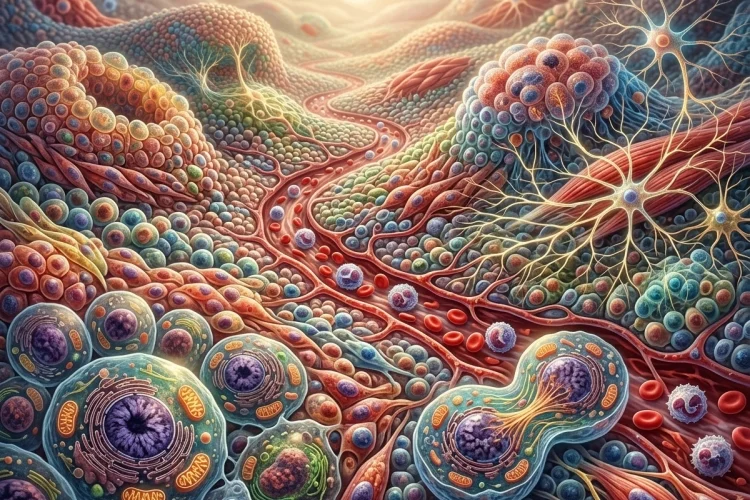
Your body may look like one complete structure, but it is actually built from trillions of tiny living units working together. They help you breathe, think, move, heal injuries, digest food, and fight infections-all without you noticing most of the activity. These microscopic units are called cells. So, what is a cell? A cell is … Read more

What Are the Characteristics of Living Things? 8 Traits Explained

A sunflower turns toward the light, a cat pulls its paw away from a hot surface, and bacteria multiply in a drop of water. These organisms look completely different, yet they share a basic set of features that separates life from most nonliving matter. So, what are the characteristics of living things? Biologists generally identify … Read more

What Is Biology? A Beginner’s Guide to the Science of Life

Take a moment to look at your hand. Under the skin, countless cells are producing energy, communicating, repairing damage, and working together to keep you alive. Outside your body, plants capture sunlight, microbes recycle nutrients, and animals constantly respond to their surroundings. Biology is the science that explains these processes. It studies living organisms, how … Read more