
Imagine trying to understand a skyscraper without knowing that it is made from smaller materials such as steel, glass, and concrete. Biology once faced a similar problem.
Scientists could observe plants, animals, and people, but they did not initially know the basic structures from which every organism was built.
That understanding changed with the development of cell theory. This major biological concept explains that all living organisms consist of cells, that the cell is the basic unit of life, and that new cells are produced from existing ones.
Although these principles sound simple today, they completely transformed science. Cell theory gave researchers a common framework for studying growth, reproduction, disease, heredity, and the organization of living systems.
In this guide, you will find cell theory explained for beginners in clear, casual language. We will explore its three main principles, the scientists behind its development, the role of microscopes, and why the theory remains essential to modern biology.
What Is Cell Theory?
Cell theory is a scientific explanation of the relationship between cells and living organisms. It states that cells are the fundamental structural and functional units of life.
A cell is the smallest unit capable of carrying out the essential processes associated with living systems. Cells take in materials, use energy, create proteins, remove waste, respond to changes, and pass biological information to new cells.
Some organisms, such as bacteria, consist of only one cell. Others, including plants, animals, and humans, are made of many cells that specialize and work together.
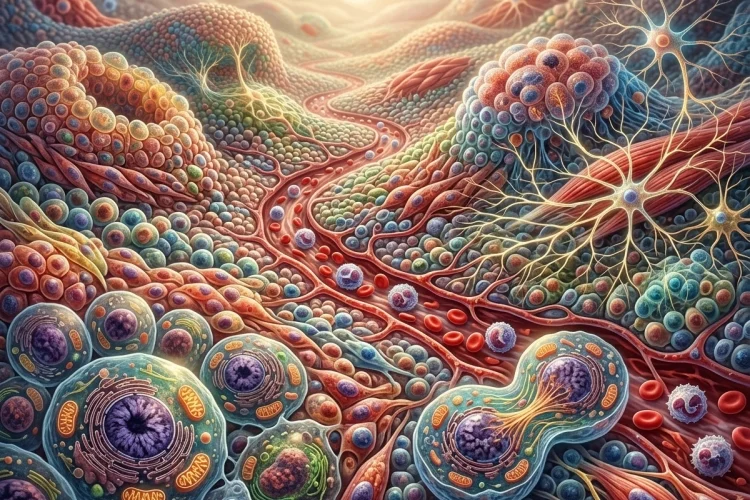
In multicellular organisms, similar cells form tissues. Tissues combine to create organs, while multiple organs work together in organ systems. This means that even the most complex body can ultimately be traced back to the activity of individual cells.
The Three Core Principles of Cell Theory
The classical or unified cell theory is commonly summarized through three main principles. Together, they explain how cells relate to the structure, function, and continuation of life.
1. All Living Things Are Made of Cells
Every known living organism is composed of one or more cells. A bacterium is a single-celled organism, while an adult human body contains trillions of cells.
Unicellular organisms must perform all their life processes within one cellular space. A bacterial cell, for example, must obtain nutrients, process energy, respond to its surroundings, and reproduce independently.
Multicellular organisms divide these responsibilities among specialized cell types. Nerve cells transmit electrical signals, muscle cells create movement, and red blood cells transport oxygen.
Despite their differences, all known cells have several basic components. These include a plasma membrane, cytoplasm, genetic material in the form of DNA, and ribosomes that produce proteins.
2. The Cell Is the Basic Unit of Life
The second principle says that the cell is the smallest structural and functional unit of a living organism. In simple terms, cells are not just building materials—they are active biological systems.
A brick in a wall cannot independently maintain itself or respond to environmental changes. A cell, however, regulates what enters and leaves, performs chemical reactions, manages genetic instructions, and maintains internal conditions.
Complex biological activities depend on these cellular processes. Digestion involves cells that produce enzymes, movement depends on contracting muscle cells, and the immune system relies on specialized cells that recognize threats.
This principle connects microscopic structures to the complete organism. When cells function properly, tissues and organs can perform their jobs. When cellular processes fail, disease may develop.
3. New Cells Come From Existing Cells
The third principle states that new cells arise from pre-existing cells. They do not normally appear spontaneously from nonliving material.
New cells are produced through cell division. Before a cell divides, it must copy its genetic information so that the resulting cells receive the biological instructions required to survive and function.
Cell division allows a single fertilized egg to develop into a complex organism. It also supports growth, tissue repair, and the replacement of old or damaged cells.
You can observe the effects of this principle when a cut gradually heals. Cells near the damaged area divide and help rebuild the tissue. The same basic process occurs when plants grow new leaves or bacteria multiply in suitable conditions.
How Cell Theory Was Developed
Cell theory did not come from one discovery or one scientist. It developed gradually as microscopes improved and researchers gathered more evidence.
In 1665, English scientist Robert Hooke examined thin slices of cork with a microscope. He noticed tiny box-like spaces and called them “cells” because they reminded him of small rooms.
Hooke was looking at the walls of dead plant cells, not living cellular activity. Still, his observation introduced a term that would become central to biology.
During the 1670s, Dutch lens maker Antonie van Leeuwenhoek used powerful handmade microscopes to observe living microorganisms. He saw bacteria, protozoa, and other tiny forms of life that had previously been invisible.
In 1838, botanist Matthias Schleiden proposed that plants were composed of cells. Zoologist Theodor Schwann extended the idea to animals in 1839, helping establish cells as universal units in living organisms.
Researchers such as Robert Remak later provided evidence that cells form through the division of existing cells. Rudolf Virchow helped popularize this concept during the 1850s, completing the foundation of classical cell theory.
How Microscopes Changed Biology
Cell theory could not have developed without microscopes. Most cells are far too small to be observed with the naked eye, so scientists needed tools that could enlarge their appearance.
Early microscopes produced limited and sometimes blurry images. As lenses, lighting, sample preparation, and staining techniques improved, researchers could see cells with greater detail.
Modern light microscopes can reveal living cells, tissues, and certain internal structures. Electron microscopes provide much greater resolution, allowing scientists to examine membranes, organelles, and extremely small cellular features.
New imaging technologies can also track processes inside living cells. Researchers can observe cells dividing, proteins moving, and signals traveling between cellular structures.
Microscopy did more than reveal that cells existed. It allowed scientists to test cell theory repeatedly across plants, animals, fungi, and microorganisms.
Modern Cell Theory and Its Updates
The three classical principles remain valid, but modern biology has expanded cell theory as scientific knowledge has grown.
Scientists now recognize that cells contain hereditary information in DNA. This genetic material is copied and transferred when cells divide, creating biological continuity between one cellular generation and the next.
Cells also share many basic chemical processes. They use genetic instructions to produce proteins, regulate chemical reactions, and transfer usable energy. These shared mechanisms suggest that modern cells are connected through a long evolutionary history.
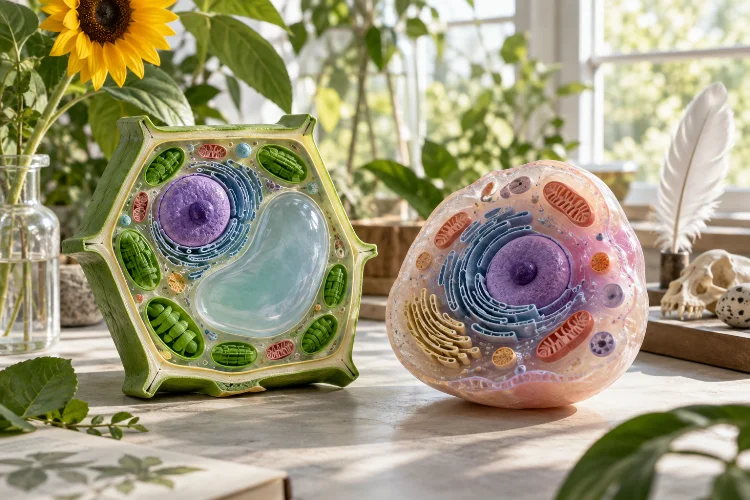
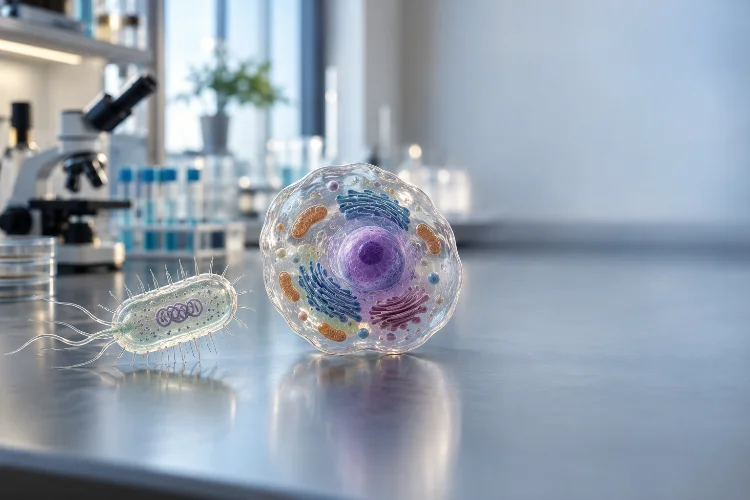
Modern cell theory also recognizes two broad cellular groups. Prokaryotic cells, such as bacteria, lack a membrane-enclosed nucleus. Eukaryotic cells, including plant and animal cells, contain a nucleus and other membrane-bound organelles.
Are There Exceptions to Cell Theory?
Some biological structures make the theory appear less straightforward. Viruses contain genetic material and can evolve, but they are not made of cells and cannot reproduce without entering a host cell.
Certain muscle fibers and fungal structures may contain multiple nuclei within a shared cytoplasmic area. However, these examples do not overturn cell theory. Instead, they show that cellular organization can be more varied than a simple textbook diagram suggests.
The origin of the very first cell also raises a special question. The statement that cells come from existing cells describes life as scientists observe it today, but it does not explain how the earliest cellular system emerged from nonliving chemistry.
Why Cell Theory Still Matters
Cell theory is important because it connects nearly every area of biology. Genetics studies information stored and used by cells, microbiology examines single-celled organisms, and physiology investigates how specialized cells support the body.
Medicine also depends heavily on cellular knowledge. Cancer develops when the regulation of cell growth and division breaks down. Infectious diseases often begin when viruses, bacteria, or other pathogens interact with host cells.
Researchers study cells to develop medicines, vaccines, diagnostic tests, and regenerative therapies. Understanding cellular behavior also supports biotechnology, agriculture, reproductive science, and genetic engineering.
Cell theory provides a useful way to think about health. An organ may appear to be the main source of a medical problem, but the underlying issue often begins with changes inside particular cells.
Cell theory explains that all living things are made of cells, the cell is the basic unit of life, and new cells arise from existing cells.
These three principles provide the foundation for understanding how organisms are structured, how they grow, and how life continues across generations.
The theory emerged through centuries of observation, better microscopes, and contributions from scientists such as Hooke, van Leeuwenhoek, Schleiden, Schwann, Remak, and Virchow.
Modern research has expanded it by explaining DNA inheritance, cellular chemistry, and the differences between prokaryotic and eukaryotic cells.
Continue your biology journey by exploring cell organelles, cell division, and DNA. Once you understand how cells work, many other life science topics become much easier to connect and remember.