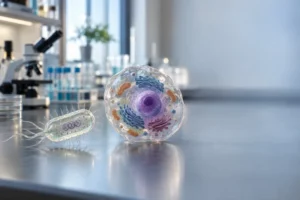
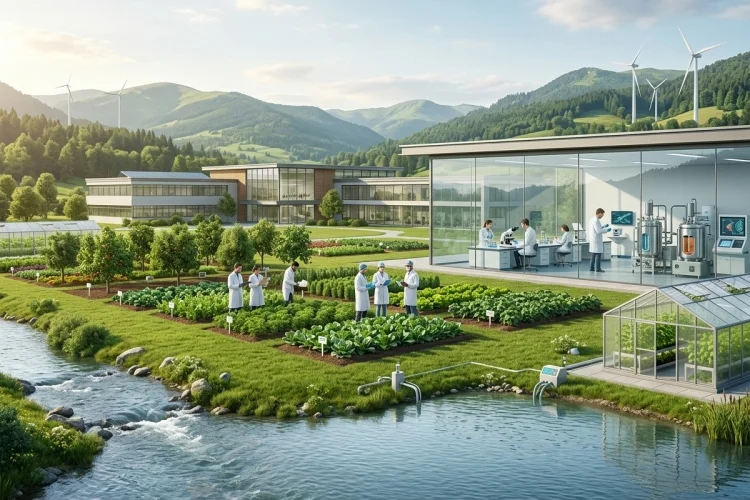
Biotechnology may sound like something found only in futuristic laboratories, but you probably interact with it every day.
The bread on your table, the medicine in your cabinet, and some of the crops grown by farmers all involve biological processes used for practical purposes.
So, what is biotechnology and how is it used? Biotechnology is the use of living organisms, cells, biological molecules, or natural processes to create products, improve existing systems, and solve problems.
It can be as traditional as using yeast to make bread or as advanced as editing DNA with tools such as CRISPR. Modern biotechnology supports medicine, agriculture, food production, environmental cleanup, manufacturing, and energy research.
Scientists can use microorganisms to produce therapeutic proteins, study genes connected to disease, develop crops with useful traits, and break down certain pollutants.
The field offers exciting possibilities, but it also raises questions about safety, regulation, ethics, access, and environmental impact. Understanding its basic methods and applications can help us evaluate both its benefits and limitations more realistically.
What Is Biotechnology?
Biotechnology combines biology with technology. It uses living systems or their components to produce useful goods, services, and scientific solutions.
The field is much older than modern genetics. People have used microorganisms for thousands of years to ferment milk, preserve food, brew drinks, and make dough rise.
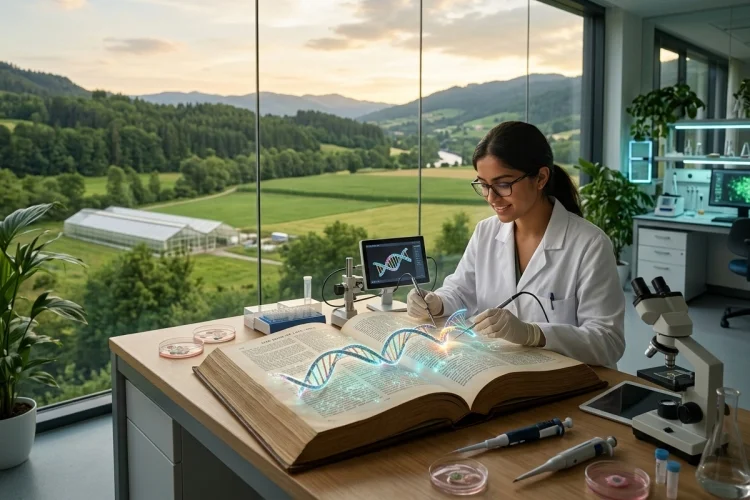
Modern biotechnology became more powerful when scientists learned how DNA stores information and how genes influence cellular functions. Researchers can now analyze, copy, transfer, or modify selected DNA sequences with much greater precision.
One important technique is recombinant DNA technology. It allows scientists to combine genetic material and place engineered DNA inside cells such as bacteria or yeast. Those cells can then copy the DNA or produce a useful protein.
Traditional vs. Modern Biotechnology
Traditional biotechnology relies on natural biological activity without directly editing an organism’s DNA. Fermentation is the most familiar example.
When yeast is added to bread dough, it consumes sugars and produces carbon dioxide. The trapped gas causes the dough to expand. Bacteria are also used to create foods such as yogurt, cheese, and fermented vegetables.
Modern biotechnology includes genetic engineering, genome editing, DNA sequencing, cell culture, and other molecular techniques. These methods allow researchers to work with specific genes, proteins, or cellular pathways.
Genetic engineering may introduce a selected gene into another organism to produce a desired characteristic. Genome editing tools can make targeted changes at particular locations in DNA.
However, biotechnology and genetic engineering are not identical terms. Genetic engineering is one part of biotechnology, while biotechnology also includes fermentation, tissue culture, diagnostic testing, enzyme production, and many processes that do not create genetically modified organisms.
How Biotechnology Is Used in Medicine
Medical biotechnology uses cells, genes, proteins, and microorganisms to help prevent, diagnose, and treat disease. It has contributed to vaccines, laboratory tests, biologic medicines, and genetic therapies.
A well-known example is recombinant human insulin. Scientists inserted the human insulin gene into microorganisms, allowing them to manufacture insulin that could be purified for medical use.
The FDA approved genetically engineered human insulin in 1982, making it the first consumer product created through this type of technology.
Biotechnology is also used to produce antibodies, hormones, clotting factors, and other therapeutic proteins. Instead of extracting these materials from human or animal tissues, manufacturers can grow engineered cells under controlled conditions.
Genetic Testing and Gene Therapy
DNA-based diagnostic tools can identify genetic variants, detect infectious organisms, and help researchers study cancer cells. Genetic information may also support more personalized treatment decisions.
Gene therapy aims to treat certain conditions by adding, replacing, silencing, or editing genetic material inside a patient’s cells. Some treatments modify cells directly inside the body, while others remove cells, alter them in a laboratory, and return them to the patient.
These treatments can be highly specialized and may carry significant risks. They require extensive laboratory research, clinical testing, regulatory review, and long-term monitoring.
Biotechnology in Agriculture
Agricultural biotechnology helps researchers understand plant and animal genetics and develop useful characteristics. Its tools include genetic mapping, marker-assisted selection, genetic engineering, genome sequencing, and genome editing.
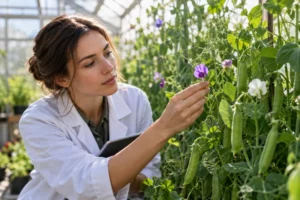
Scientists may study genes connected to disease resistance, nutritional value, growth, drought tolerance, or protection from insect damage. Plant breeders can then use this information to select promising plants more efficiently.
Genetically engineered crops contain DNA changes introduced through laboratory methods. For example, some crops have been developed to resist particular insect pests, reducing crop damage under suitable farming conditions.
Genome editing provides another approach. It allows researchers to make more targeted genetic changes and may be used to develop plants with improved nutrition, disease resistance, or tolerance to environmental stress.
Biotechnology does not replace every traditional agricultural method. Modern genetic tools are often combined with conventional breeding, field testing, soil management, pest control, and other farming practices.
Biotechnology in Food Production
Food biotechnology includes ancient fermentation as well as modern techniques used to improve safety, quality, nutrition, and manufacturing efficiency.
Microorganisms can produce enzymes that help make cheese, clarify fruit juice, soften bread, or process ingredients. Selected bacterial cultures are also used to create predictable flavors and textures in fermented foods.
Scientists can analyze the DNA of microorganisms found in food to identify pathogens, trace contamination, and study spoilage. Faster detection can help food producers respond before a contaminated product reaches more consumers.
Biotechnology may also be used to improve the nutritional qualities of crops or reduce undesirable characteristics.
Any new food product still requires careful assessment because the benefits and risks depend on the specific organism, genetic change, intended use, and production process.
Industrial Biotechnology and Bioenergy
Industrial biotechnology uses biological systems to manufacture fuels, chemicals, enzymes, materials, and other products. This approach is sometimes called biomanufacturing.
Microorganisms can function like tiny factories. When supplied with suitable nutrients and conditions, bacteria, yeast, or algae can produce valuable substances through their metabolism.
Enzymes made through biotechnology are used in detergents, textiles, paper processing, food manufacturing, and other industries. Because enzymes work under particular conditions, they can sometimes replace harsher chemical processes.
Biotechnology also supports research into biofuels. Biomass from plants, algae, agricultural materials, and organic waste can be converted into fuels such as ethanol and biodiesel.
Researchers are investigating ways to improve organisms and production systems so biological fuels and materials become more efficient and practical.
Biobased does not automatically mean environmentally harmless. Researchers must consider land use, energy consumption, water requirements, emissions, and the complete life cycle of each product.
How Biotechnology Helps the Environment
Environmental biotechnology uses biological processes to monitor, prevent, or reduce pollution. One important application is bioremediation.
Bioremediation uses microorganisms or other biological activity to break down, transform, or remove certain contaminants from soil, sediment, or water. Some microbes naturally consume petroleum compounds and convert them into simpler substances.
The process may be encouraged by adjusting oxygen, nutrients, moisture, or other environmental conditions. In some cases, selected microorganisms are introduced to improve contaminant breakdown.
Microbial communities are also essential in wastewater treatment. They consume organic material and help remove waste before treated water is released or reused.
Biotechnology can additionally support environmental monitoring. DNA-based tools can identify microorganisms, detect invasive species, assess biodiversity, and reveal biological changes that may be difficult to observe directly.
Benefits, Risks, and Ethical Questions
Biotechnology can support better medicines, more efficient manufacturing, improved crops, safer food, and cleaner environments. However, every application should be evaluated individually rather than assuming that all biotechnology is automatically good or bad.
A medical treatment may cause unexpected immune reactions. A genetically altered organism could behave differently outside controlled conditions. Genetic information may also create concerns about privacy, consent, ownership, and unequal access.
Agricultural biotechnology raises questions about seed access, biodiversity, labeling, resistance management, and long-term environmental effects. These issues involve economics, ethics, law, and public values as well as biology.
In the United States, agencies including the FDA, USDA, and EPA have different responsibilities for regulating biotechnology products according to their characteristics and intended uses.
Safety assessment focuses on the actual product and its risks rather than simply the word “biotechnology.”
Responsible development requires transparent research, appropriate testing, effective regulation, and honest communication about both uncertainty and potential benefits.
Biotechnology uses organisms, cells, genes, proteins, and biological processes to create useful products and solve practical problems.
It ranges from traditional fermentation to modern genetic engineering, genome editing, gene therapy, and biomanufacturing. Its applications can be found in medicine, farming, food production, industry, energy, and environmental cleanup.
Recombinant cells can produce medicines, genetic tools can support crop breeding, and microorganisms can help manufacture materials or break down pollutants.
At the same time, biotechnology must be developed carefully because each application presents different benefits, limitations, and risks.
Continue your learning by exploring one specific technique, such as recombinant DNA, CRISPR, fermentation, or bioremediation, and examine how it moves from scientific research into real-world use.