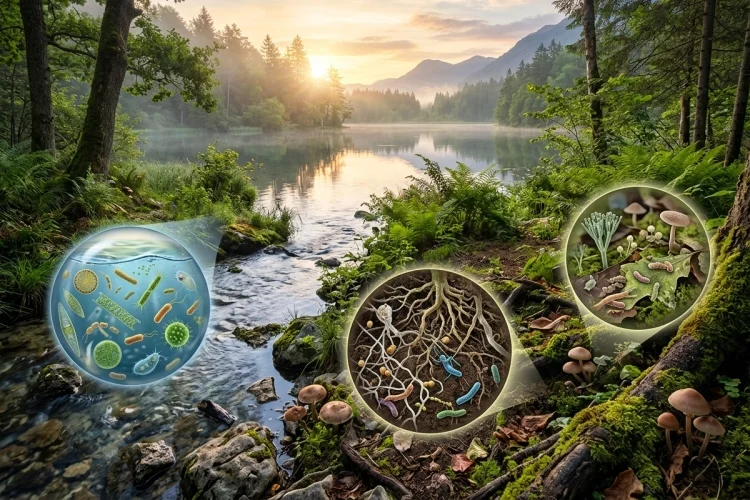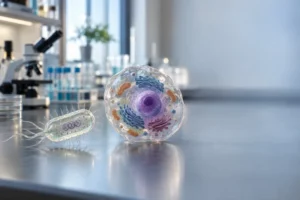
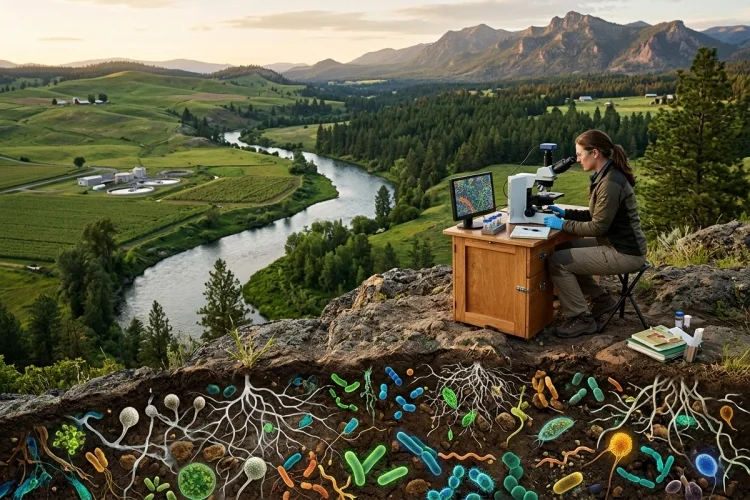
An invisible world exists on your skin, inside your digestive system, in the soil beneath your feet, and even in the air you breathe. It is filled with organisms and biological agents that are usually too small to see without special equipment.
Microbiology is the scientific field that explores this hidden world. It examines bacteria, archaea, fungi, protozoa, microscopic algae, viruses, and other tiny biological systems.
Some microbes cause infections, but many others help digest food, recycle nutrients, produce medicines, clean wastewater, and support life on Earth.
So, what is microbiology and why does it matter? This branch of biology helps us understand disease, human health, food production, agriculture, biotechnology, and environmental processes.
It also gives scientists tools to respond to major challenges such as antimicrobial resistance and emerging infections.
You do not need a laboratory coat to appreciate microbiology. Every time you eat yogurt, wash your hands, take an antibiotic, or watch bread rise, you are interacting with the microbial world.
What Is Microbiology?
Microbiology is the study of microorganisms and other microscopic biological agents. The word combines micro, meaning small, with biology, the study of life.
Most microbes cannot be seen clearly with the naked eye. Scientists therefore use microscopes, laboratory cultures, genetic sequencing, chemical tests, and other technologies to study their structures and activities.
Microbiology is not limited to organisms that cause disease. In fact, microorganisms perform essential roles in ecosystems, food production, digestion, and the cycling of elements such as carbon and nitrogen.
Much of the microbial world remains unexplored, which means scientists are still discovering new species and abilities.
The field overlaps with genetics, medicine, ecology, chemistry, agriculture, and biotechnology. A microbiologist might analyze a hospital infection, study microbes in ocean water, improve fermentation, or investigate bacteria that break down pollutants.
What Types of Microorganisms Do Scientists Study?
The microbial world contains several major groups. They differ in cellular structure, reproduction, metabolism, and their relationships with other organisms.
1. Bacteria and Archaea
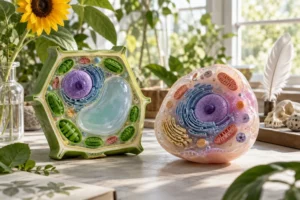
Bacteria are single-celled organisms without a membrane-enclosed nucleus. They live almost everywhere, including soil, oceans, food, and the human body.
Some bacteria cause diseases, but many are harmless or beneficial. Certain species help produce food, decompose organic material, and support digestion.
Archaea may resemble bacteria in size and general structure, but they form a distinct biological group. Some survive in environments with high temperatures, strong acidity, or extreme salt levels, while others live in ordinary soil, water, and digestive systems.
2. Fungi, Protozoa, and Microscopic Algae
Fungi include yeasts, molds, and mushrooms, although microbiologists usually focus on their microscopic forms. Yeast is used in bread, beer, and other fermented products, while some molds produce medicines or spoil food.
Protozoa are mostly single-celled eukaryotic organisms. Many live freely in water or soil, but some are parasites that cause illnesses such as malaria.
Microscopic algae perform photosynthesis and contribute to aquatic food webs. They also release oxygen and form an important part of ecosystems.
3. Viruses
Viruses are not made of cells and cannot reproduce independently. They must enter a host cell and use its machinery to create more viral particles.
Scientists often include viruses in microbiology because they are microscopic and have major effects on living organisms. The field that specifically focuses on them is called virology.
How Microbiologists Study an Invisible World
Microscopes played a central role in the development of microbiology. They allow scientists to observe cells and structures that would otherwise remain invisible.
Different microscopes provide different information. Light microscopes can show the shape and arrangement of many microbial cells, while electron microscopes reveal much smaller details.
Microbiologists may also grow microbes in controlled laboratory conditions. A sample can be placed on a nutrient-rich material so individual organisms multiply and form visible colonies.
Not every microbe grows easily in a laboratory, however. Modern researchers can analyze DNA and RNA directly from a sample, allowing them to study entire microbial communities without cultivating every species.
These methods have changed how scientists investigate oceans, soil, food, hospitals, and the human body. Instead of examining only one organism at a time, researchers can explore how large communities interact.
Microbiology and Human Health
Microbiology is essential to medicine because many diseases are caused by bacteria, viruses, fungi, or parasites. Identifying the responsible agent can help healthcare professionals choose appropriate tests, treatments, and infection-control measures.
Antibiotics can treat certain bacterial infections, but they do not work against viruses. Antifungal and antiviral medicines target different biological processes, which is why an accurate diagnosis matters.
Microbiology also supports vaccination, sterilization, food safety, public health surveillance, and outbreak investigation. Laboratories can compare microbial samples to help determine whether infections are connected.
However, the relationship between microbes and humans is not simply a battle. Large communities of microorganisms live in and on healthy bodies.
The Human Microbiome
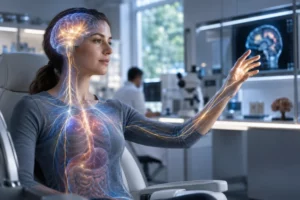
The human microbiome includes the microbial communities found in places such as the digestive tract, skin, mouth, nose, and reproductive tract. These organisms interact with one another and with human cells.
Some microbes help process dietary substances, occupy spaces that might otherwise be used by pathogens, and influence immune function.
The NIH Human Microbiome Project created research resources to help scientists investigate the roles of these communities in health and disease.
Microbiome science is still developing. Researchers have found associations between microbial communities and various conditions, but an association does not always prove that a particular microbe directly causes a disease.
Microbes in Food, Agriculture, and Industry
Microorganisms are responsible for many familiar foods. Yeasts produce carbon dioxide that makes bread rise, while bacteria transform milk into products such as yogurt and some cheeses.
Fermentation can change flavor, texture, shelf life, and nutritional properties. Food microbiology studies these useful organisms along with pathogens and spoilage microbes that can make food unsafe or unpleasant.
USDA-supported research examines foodborne pathogens, fermentation cultures, probiotics, and the movement of antimicrobial resistance genes within food-related microbial communities.
Agriculture also depends on microbes. Soil microorganisms decompose dead material and release nutrients that plants can reuse. Certain bacteria help make nitrogen available to crops, while others form beneficial relationships with plant roots.
In biotechnology, scientists use microbial cells to produce enzymes, medicines, chemicals, and other useful substances. Microbes grow quickly and can often be cultivated under controlled conditions, making them valuable biological tools.
Why Microbiology Matters to the Environment
Microbes work as natural recyclers. They break down dead organisms, animal waste, and other organic matter, returning useful materials to ecosystems.
Without decomposition, nutrients would remain trapped in dead material. Plant growth and food webs would eventually be disrupted.
Microorganisms are also important in wastewater treatment. In biological treatment systems, microbial communities consume or transform biodegradable substances, helping remove pollutants before treated water is released or reused.
Some microbes can break down oil, pesticides, and industrial chemicals. Using organisms to reduce environmental contamination is known as bioremediation.
Microbiology also helps scientists monitor water quality and identify sources of contamination. By testing for particular organisms or genetic markers, researchers can assess whether water may present a health risk.
Antimicrobial Resistance and Future Challenges
Antimicrobial resistance occurs when bacteria, fungi, parasites, or viruses change in ways that allow them to survive medicines designed to control them. It is the microbe—not the person—that becomes resistant.
Resistance can develop naturally, but unnecessary and inappropriate antimicrobial use can accelerate the process. Resistant organisms can spread through healthcare facilities, communities, food systems, animals, and the environment.
This matters because many medical procedures depend on effective infection treatment. Surgery, cancer therapy, organ transplantation, and intensive care become more dangerous when common infections are difficult to control.
Microbiologists help by tracking resistant strains, developing diagnostic tests, studying how resistance genes spread, and searching for new treatments. Their work also supports the responsible use of antibiotics and antifungal medicines.
Future microbiology research may produce better vaccines, sustainable fuels, new foods, improved crops, and microbial solutions for pollution.
Because microbes evolve quickly and occupy nearly every environment, they will remain central to both scientific discovery and global health.
Microbiology is the study of microorganisms and microscopic biological agents, including bacteria, archaea, fungi, protozoa, algae, and viruses.
These tiny systems can cause disease, but they also support digestion, food production, agriculture, environmental recycling, and biotechnology.
The field matters because microbes influence nearly every part of life. They shape ecosystems, interact with our bodies, help produce useful materials, and sometimes create serious public health challenges.
The next time you eat fermented food, recover from an infection, or see fallen leaves decompose, remember that microbes are working behind the scenes.
Continue your learning by exploring one area-such as bacteriology, virology, food microbiology, or the human microbiome-and discover how large the invisible world really is.