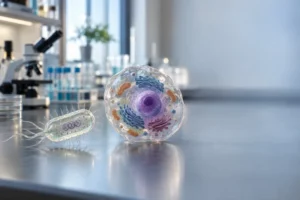

The human body is surprisingly good at keeping itself running. Cells repair damage, the immune system fights harmful organisms, and organs constantly adjust their activity to maintain internal balance. Even so, these protective systems are not perfect.
So, what causes disease in the human body? There is no single answer. Illness can begin with an infection, a harmful genetic change, abnormal immune activity, damaged cells, environmental exposure, nutritional deficiency, or a combination of several factors.
Some conditions appear suddenly, such as food poisoning or influenza. Others develop slowly over years as genetics, aging, lifestyle, and environmental influences interact. This is why two people exposed to the same risk may experience very different outcomes.
Understanding the causes of disease does not mean that every illness can be prevented. However, it can help us recognize risk factors, make informed health decisions, and understand why diagnosis often requires more than checking a single symptom.
What Does “Disease” Actually Mean?
A disease is a condition that disrupts the normal structure or function of the body. It may affect one cell type, a particular organ, an entire body system, or several systems at once.
Disease is not exactly the same as a symptom. A symptom is an experience or change caused by an underlying problem. Fever, pain, fatigue, coughing, and nausea are examples of symptoms rather than diseases themselves.
The same symptom can also have many possible causes. Fatigue might result from an infection, poor sleep, anemia, a hormonal disorder, medication, or another medical issue. That is why symptoms alone do not always reveal what is happening inside the body.
Doctors investigate patterns of symptoms alongside medical history, examinations, laboratory tests, and imaging when appropriate. Their goal is to identify the biological process responsible for the problem.
Infectious Diseases Are Caused by Pathogens
Infectious diseases develop when harmful microorganisms or other infectious agents enter the body, multiply, and interfere with normal functions. Major categories include bacteria, viruses, fungi, and parasites.
Bacteria are single-celled organisms. Many are harmless or useful, but certain species can damage tissues or produce toxins. Streptococcal throat infections, tuberculosis, and some forms of food poisoning are bacterial diseases.
Viruses are much smaller and cannot reproduce independently. They enter host cells and use the cells’ machinery to make more viruses. Influenza, measles, COVID-19, and HIV are examples of viral infections.
Fungi may affect the skin, nails, lungs, or other tissues, while parasites can live inside or on a host. Infectious agents may spread through air, food, water, body fluids, contaminated surfaces, animals, or insect bites.
Exposure does not always lead to illness. The outcome depends partly on the pathogen, the amount of exposure, vaccination status, existing health conditions, and how effectively the immune system responds.
Genetic Changes Can Disrupt Normal Functions
Genes contain instructions that help cells produce proteins and regulate biological processes. A genetic disorder can develop when a DNA variant changes or removes an important gene function.
Some genetic conditions are associated with a change in one gene. Sickle cell disease and cystic fibrosis are familiar examples. Other disorders involve chromosome abnormalities or variants across several genes.
A disease-related genetic change may be inherited from a biological parent. It can also appear for the first time during the formation of reproductive cells, early development, or ordinary cell division.
However, having a genetic variant does not always guarantee illness. Some variants directly cause a disorder, while others only increase susceptibility. Most human genetic variation has little or no harmful effect.
Genes should therefore not be treated as an unavoidable destiny. Their effects may depend on other genes, age, environmental exposure, lifestyle, and chance.
The Immune System Can Make Mistakes
The immune system normally recognizes and attacks infectious organisms while avoiding the body’s own healthy tissues. Disease can develop when this defense system becomes too weak, overreacts, or targets the wrong cells.
An underactive immune system makes it harder to control infections. This may result from an inherited condition, certain medicines, cancer treatment, an infection such as HIV, or another medical problem.
Allergies involve an exaggerated immune response to substances that are usually harmless, such as pollen, particular foods, or animal dander. The resulting inflammation can affect the skin, airways, digestive tract, or several areas at once.
In autoimmune diseases, the immune system mistakenly attacks healthy tissue. Rheumatoid arthritis primarily damages joints, while lupus can affect the skin, kidneys, heart, lungs, blood cells, and other organs.
Researchers believe many autoimmune disorders involve a combination of genetic susceptibility and environmental triggers rather than one universal cause.
Cellular Damage, Hormonal Problems, and Metabolic Disorders
Every organ depends on cells completing carefully controlled tasks. Disease can appear when cells become damaged, fail to produce an essential substance, or grow in an uncontrolled way.
Cancer is a major example of disrupted cellular control. It develops when genetic changes affect genes that regulate cell growth and division. These changes may be inherited, occur as cells divide, or result from exposures such as tobacco smoke and ultraviolet radiation.
Metabolic disorders interfere with the chemical reactions that process energy and materials. In diabetes, for instance, problems involving insulin and blood glucose regulation can prevent cells from using or storing energy normally.
Hormonal diseases occur when endocrine glands produce too much or too little of a chemical messenger, or when tissues do not respond correctly.
Thyroid disorders can influence energy use, temperature regulation, heart rate, and body weight because thyroid hormones affect metabolism throughout the body.
Aging can also increase vulnerability to disease. DNA damage accumulates, tissues may repair themselves less efficiently, and organs can gradually lose some of their functional reserve.
Environmental Exposure and Nutritional Deficiency
The body constantly interacts with its surroundings. Air pollution, radiation, tobacco smoke, workplace chemicals, contaminated water, and other exposures can injure cells or increase the risk of particular diseases.
The effect usually depends on the substance, amount, route of exposure, frequency, and duration. A brief low-level exposure may have little effect, while repeated or concentrated exposure can create a much greater risk.
Nutrition matters because cells require vitamins, minerals, proteins, fats, and carbohydrates to function. Severe vitamin D deficiency can cause rickets in children and osteomalacia in adults, while severe vitamin C deficiency weakens connective tissues and causes scurvy.
More is not always better, however. Excessive intake of certain nutrients can also be harmful, especially through high-dose supplements. Nutritional needs can vary with age, pregnancy, medication use, and medical conditions.
Behavior can influence disease risk as well. Tobacco use, harmful alcohol consumption, physical inactivity, and unhealthy diets are major contributors to noncommunicable diseases. Air pollution is another important environmental risk.
These factors increase probability rather than guaranteeing an outcome. Someone with one risk factor may never develop the associated illness, while another person without an obvious risk may still become sick.
Most Common Diseases Have Multiple Causes
The idea that every disease has one clear cause is often too simple. Many common conditions are multifactorial, meaning they develop through interactions among genes, behavior, physiology, environment, and age.
Heart disease is a useful example. Its development may involve inherited susceptibility, high blood pressure, cholesterol levels, diabetes, smoking, diet, activity, stress, and access to healthcare.
Type 2 diabetes and obesity are also influenced by multiple genes alongside environmental and behavioral factors. No single gene or meal can fully explain them.
Even infectious disease can be multifactorial. A pathogen may be the direct cause, but age, nutrition, immune function, previous vaccination, and underlying conditions can influence whether the infection becomes mild or severe.
This helps explain why medical research often discusses risk factors. A cause directly contributes to producing a disease, while a risk factor raises the chance that it will develop.
Can Disease Always Be Prevented?
Not every disease is preventable. People cannot control all inherited variants, environmental exposures, accidents, or biological changes associated with aging.
Still, many risks can be reduced. Vaccination, hand hygiene, safe food handling, avoiding tobacco, regular physical activity, balanced nutrition, adequate sleep, and recommended health screening can all support prevention.
Early detection can also limit complications. High blood pressure, for example, may cause no obvious symptoms for years, yet treatment can reduce the risk of damage to the heart, brain, kidneys, and blood vessels.
Prevention is not a guarantee, and developing an illness does not automatically mean someone made poor choices. Health is shaped by biology, living conditions, healthcare access, social circumstances, and many factors outside individual control.
Persistent, severe, or unexplained symptoms should be evaluated by a qualified healthcare professional rather than diagnosed through online information alone.
Disease develops when normal structures or processes in the body become disrupted.
The cause may be an infectious organism, genetic variation, immune malfunction, cellular damage, hormonal imbalance, environmental exposure, nutritional problem, or several interacting influences.
Some illnesses have a clear direct cause, while many chronic conditions develop through a complicated mix of biology, behavior, surroundings, and age. Risk factors can increase the likelihood of disease without making it inevitable.
Understanding these differences helps us think about health more realistically and avoid blaming every condition on one habit or one gene.
Continue learning by exploring how the immune system responds to infection and how the body uses homeostasis to maintain stable internal conditions.